Dental Bonding for Smile Symmetry and Balance
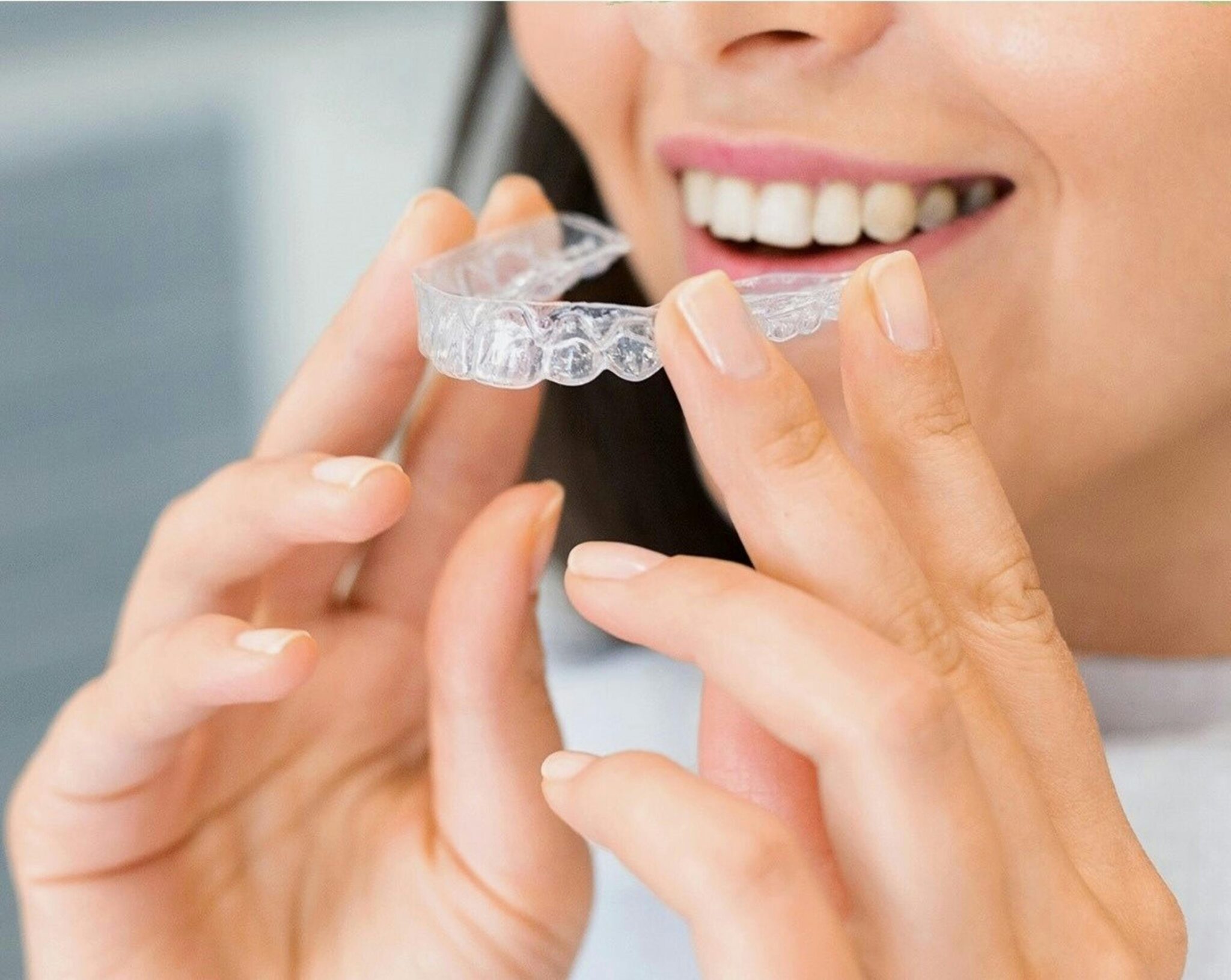
A balanced smile is rarely about chasing perfection. In practice, most patients are not asking for a dramatically different face or a row of unnaturally identical teeth. They want harmony. They want one tooth that looks slightly shorter to stop drawing the eye. They want a small chip on a front edge to disappear. They want the left side of the smile to feel as finished as the right. That is where Dental Bonding often shines.
Among cosmetic treatments, bonding occupies a useful middle ground. It is conservative, relatively affordable compared with veneers or crowns, and often completed in a single visit. When the issue is asymmetry rather than major structural damage, it can deliver impressive changes with very little intervention. Done well, it does not announce itself. It simply makes the smile read as more even, calmer, and more proportional.
The most important detail is that bonding is not just about adding white material to a tooth. The real work lies in shaping light, contour, and proportion. A tenth of a millimeter can change the way a front tooth catches attention. A rounded corner on one central incisor can make the whole smile feel softer. A slightly fuller lateral incisor can reduce the visual dominance of a canine. These are subtle decisions, but they matter.
What smile symmetry really means
Patients often use the word symmetry when they mean several different things at once. Sometimes they are noticing that one front tooth is longer than the other. Sometimes the gumline is uneven. Sometimes one tooth turns inward, making that side of the smile appear darker. In other cases, the complaint is not true asymmetry at all, but imbalance. Teeth may technically match, yet the smile still feels off because proportions, shape, or alignment do not support the face.
Perfect mirror symmetry is not the goal, and in nature it is uncommon. Faces have slight differences from side to side. Lips move unevenly. Teeth emerge at different angles. A natural-looking cosmetic result respects that reality. The aim is visual balance, not rigid duplication.
This distinction matters because Dental Bonding works best when it is used to improve what the eye perceives. For example, if one lateral incisor is naturally small, adding composite can make it better match the neighboring central incisor and canine, restoring the rhythm of the smile. If a front tooth has a chipped edge on one corner, rebuilding that corner can restore line and proportion without touching the rest of the tooth. These are not huge structural overhauls. They are controlled adjustments that influence the whole expression.
Where Dental Bonding fits in cosmetic dentistry
Dental Bonding uses tooth-colored composite resin, the same family of material commonly used for white fillings, to alter shape, length, contour, and sometimes color. The material is applied in layers, sculpted directly on the tooth, and hardened with a curing light. The clinician then refines the anatomy and polishes the surface so it blends with adjacent enamel.
That description sounds simple, but there is craft behind it. Front teeth are not flat white rectangles. They have translucency at the edges, soft developmental grooves, line angles that define width, and surface texture that reflects light in particular ways. A bonded tooth that is technically the right size can still look wrong if the surface is too smooth, the edge too opaque, or the contour too bulky near the gumline.
Because bonding can be added with minimal drilling, it is often one of the most conservative cosmetic options available. In many cases, very little enamel is removed, and sometimes none at all. That is a major advantage for people who want improvement without committing to more aggressive treatment.
It is also one of the most versatile solutions for small to moderate cosmetic concerns. In the right case, bonding can close a slight gap, lengthen a worn edge, repair a chip, make a peg lateral incisor look full-sized, soften a pointy canine, or disguise mild rotation by redistributing contour. For smile symmetry and balance, those capabilities are especially relevant.
The cosmetic problems bonding solves especially well
Some treatments look better on paper than they do in a real mouth. Bonding tends to be the opposite. When the case is selected carefully, a modest change can have an outsized visual effect.
A classic example is uneven incisal edges. Many people have one front tooth that appears shorter, either from wear, previous trauma, or natural variation. Even a difference of 0.5 to 1 millimeter can be obvious in photos, especially when the patient speaks or smiles broadly. Adding composite to restore that edge is often straightforward and highly effective.
Another strong indication is a small mismatch in tooth width. Lateral incisors frequently vary in size. One may be slightly undersized, or both may be smaller than ideal relative to the central incisors and canines. This can create dark spaces, gaps, or simply an unbalanced look. Bonding can broaden those teeth in a controlled way and improve the transitions from tooth to tooth.
Minor chips are perhaps the most satisfying repairs. Patients often fixate on them because their tongue finds the rough edge all day, and the eye keeps returning to that one irregularity. Rebuilding the edge with composite can restore continuity in a matter of minutes.
Then there are shape problems rather than damage. Teeth that look too square, too round, too short, or too pointed can often be softened or refined with bonding. A smile that feels harsh can be made gentler by adjusting edge embrasures and corners. A smile that looks juvenile because the teeth are too rounded can be given a more mature, defined silhouette. These are artistic choices, and the best results come from restraint.
Why balance often matters more than brightness
Patients sometimes assume their biggest cosmetic issue is color because whitening is the most familiar treatment. Yet in many consultations, the more significant concern is imbalance. A tooth that is slightly turned, chipped, or undersized may stand out more than teeth that are a shade darker than ideal. Once shape and proportion are corrected, the smile often looks dramatically better even before any whitening is done.
This is worth discussing because color and form interact. A very white smile with uneven tooth anatomy can still look distracting. A naturally shaded smile with clean proportions often looks healthier and more attractive. Bonding can also be color matched, but matching is not just about picking a shade tab. It involves opacity, translucency, and polish. A bonded edge that is too chalky will draw the eye. A restoration that catches light like enamel will disappear.
In practice, many dentists prefer to whiten first if the patient plans to do both. Once the natural teeth reach a stable lighter shade, the bonding can be matched to that result. Since composite does not whiten the same way enamel does, sequence matters.
What happens during a bonding appointment
For a patient, the visit can feel surprisingly simple. For the clinician, it is a sequence that rewards patience and attention.
The process usually begins with photographs, a shade assessment, and a close review of symmetry from several angles. Looking straight on is not enough. Teeth need to be evaluated at rest, in speech, and in a full smile. A tooth that seems short in a retracted photo may look fine when the lip moves naturally. That is one reason rushed cosmetic work can miss the mark.
If the plan is conservative, anesthesia may not even be necessary. The tooth is cleaned, and the surface may be lightly roughened or prepared to help the material bond securely. The enamel is etched, a bonding agent is applied, and then the composite is added in increments. Each layer is cured, and the final form is sculpted with hand instruments and finishing burs.
What patients often remember most is the polishing phase. This is where the restoration starts to look like a tooth rather than newly placed material. The texture is refined, the edges are adjusted, and the gloss is developed. When done well, the bonded area does not feel lumpy or catch the tongue. It should feel integrated.
The whole appointment may take anywhere from 30 minutes for a tiny chip repair to a couple of hours for several front teeth. Complexity depends on how many teeth are involved and how exact the esthetic demands are.
The art of making one tooth match another
Matching is the hardest part of front tooth bonding, and it is where experience shows. Natural teeth are full of small irregularities that make them believable. A dead-flat polished surface can look artificial even if the color is close. A tooth that is too smooth beside textured enamel may seem wider than it is because of how light reflects from it.
Line angles are one of the most powerful tools in creating symmetry. These are the subtle vertical transitions that frame the front surface of a tooth. Move them slightly inward and the tooth appears narrower. Move them outward and it looks broader. This means a dentist can alter perceived width without changing the entire tooth dramatically. It is one of the reasons Dental Bonding can correct visual imbalance so efficiently.
Incisal translucency is another important factor. The cutting edges of front teeth often let light through. If a bonded edge is made too opaque, especially on a younger patient, it can look dense and obvious. On the other hand, too much translucency can make the edge disappear or appear gray. The right approach depends on the age of the patient, the neighboring teeth, and the lighting conditions in which the smile is most often seen.
A useful rule in cosmetic dentistry is that people rarely notice a perfectly matched restoration, but they quickly notice one that is slightly too bulky, too bright, or too matte. The margin for error is small, especially in the two central incisors.
Cases where bonding is a strong choice
Not every cosmetic concern needs porcelain. Bonding is often the most sensible option when the correction is modest and the natural tooth is otherwise healthy. It is especially appealing to younger adults who want to preserve enamel, and to patients who prefer a repairable material.
The patients who tend to be happiest with bonding usually fit one or more of these situations:
- They have small chips, minor uneven edges, or slight size discrepancies in the front teeth.
- They want a conservative treatment with little or no drilling.
- They are comfortable with maintenance and understand that polishing or touch-ups may be needed over time.
- They want cosmetic improvement without the cost or permanence of veneers.
- Their bite is stable enough that the bonded areas will not be under constant heavy stress.
This last point matters more than many people realize. A beautiful bonded edge placed into a deep bite or against active grinding habits may not last as long as the patient hopes. The material is durable, but it is not indestructible.
When bonding is not the best answer
Good cosmetic dentistry involves saying no as often as saying yes. Bonding has limits, and ignoring them usually leads to frustration.
If a patient wants a dramatic overall color change across many front teeth, veneers may offer a more stable and uniform result. If a tooth is heavily restored, structurally weak, or severely broken down, a crown may be more appropriate. If the real issue is tooth position rather than shape, orthodontics often provides a better foundation. Trying to mask moderate crowding with composite can create overbuilt contours that trap plaque and look bulky.
Gum asymmetry is another common edge case. A patient may believe one tooth is too short when the true problem is that the gum sits lower on that side. Adding composite can lengthen the visible tooth somewhat, but if the gum architecture is the main issue, periodontal contouring may be the more elegant solution.
There is also the patient with unrealistic expectations. Composite can absolutely elevate a smile, but it cannot create a flawless porcelain effect in every situation. The texture, stain resistance, and long-term color stability differ from ceramics. Patients who understand that difference are usually pleased. Patients who expect bonded resin to behave exactly like porcelain may not be.
Longevity, staining, and maintenance
One of the fairest questions a patient can ask is, “How long will this last?” The honest answer is that it depends on where the bonding is placed, how the patient bites, and how the material is cared for. Small cosmetic bonding on front teeth can last several years, sometimes much longer, but maintenance is part of the bargain.
Composite is more prone to picking up surface stain than porcelain, particularly in people who drink a lot of coffee, tea, red wine, or who smoke. The good news is that much of this discoloration is superficial and can be improved with polishing during routine dental visits. A dull edge can often be refreshed. A tiny chip can often be repaired without redoing the whole restoration.
What shortens the lifespan of bonding is usually not ordinary smiling or talking. It is nail biting, pen chewing, opening packages with the teeth, chewing ice, or grinding at night. Repetitive stress on thin bonded edges leads to chipping. In patients with bruxism, a night guard can make a meaningful difference.
Home care should be thoughtful rather than fussy. Normal brushing and flossing are enough in most cases, but the bonded areas should be respected. Whitening toothpastes with aggressive abrasives can roughen polished surfaces over time. Hard scrubbing does not help. Neither does using front teeth as tools.
A practical maintenance approach looks like this:
- Brush gently with a non-abrasive toothpaste and floss daily.
- Avoid biting hard objects directly with bonded front edges.
- Keep regular hygiene visits so stain can be polished before it becomes obvious.
- Wear a night guard if clenching or grinding is part of the picture.
- Reassess any roughness, chipping, or color mismatch early, while repairs are still small.
Patients are often relieved to hear that maintenance does not mean failure. Composite is a repairable material by design. That is one of its strengths.
The cost question, and why “cheaper” is not the full story
Bonding is often described as the budget-friendly cosmetic option, which is true in a limited sense. Up front, it usually costs less than veneers or crowns. But price alone is not the real comparison. The more relevant issue is value relative to the problem being solved.
If a patient has one chipped edge and gets a seamless repair in one visit with no drilling, bonding is not just cheaper. It is the most proportionate treatment. By contrast, preparing a healthy tooth for a veneer in that scenario would be excessive.
On the other hand, if a patient wants a full smile redesign with significant color change, shape modification across multiple teeth, and maximum stain resistance, repeated bonding touch-ups may become less appealing over time than porcelain. The right treatment depends on the scope of the goal, not just the fee on the day of service.
This is why consultations should include a discussion of maintenance, likely lifespan, and alternatives. A patient deserves to understand what they are choosing, especially when a more conservative path is available.
A subtle result is usually the best result
Some of the most successful bonding cases are almost impossible to point out afterward. A person simply looks healthier, better rested, or more confident. Friends notice that the smile seems improved, but they cannot identify why. That is the sweet spot.
I have seen patients arrive focused on one detail, a chipped corner, a small gap, a lateral incisor that “disappears” in photos, and leave surprised by how much the entire smile changed when that one imbalance was corrected. The face often reads as more relaxed because the eye is no longer pulled toward the irregularity.
The opposite is also true. Overbuilt bonding, especially on front teeth, can make a smile look heavy. Too much length creates a horsey appearance. Teeth made too broad lose their natural rhythm. Very bright composite on otherwise warm teeth can look disconnected. Judgment matters as much as technical execution.
A useful sign dental bonding cost of careful cosmetic planning is that the dentist talks not just about the tooth you dislike, but about neighboring teeth, lip dynamics, gumline, facial midline, and bite. Smile balance is relational. One tooth is never evaluated in isolation.
Questions worth asking before you proceed
Patients do best when they walk into cosmetic treatment with clear expectations. Not skeptical, just informed. If you are considering Dental Bonding for symmetry and balance, ask how much of the correction is visual versus structural. Ask whether whitening should come first. Ask how the bonding may age compared with your natural enamel. Ask what maintenance is realistic for your habits and bite.
It is also worth asking whether a mock-up or direct preview is possible. In some cases, especially when changing front tooth length or width, even a temporary visual guide can help align expectations. Seeing a proposed edge length in the mirror often answers questions that words cannot.
Another valuable question is whether the dentist plans a conservative additive approach or anticipates any enamel reshaping. Both can be appropriate, but the distinction should be clear.
The bigger picture
A smile does not need to be dramatic to be transformative. In many cases, the most meaningful cosmetic dentistry happens in fractions of a millimeter. Dental Bonding is particularly well suited to that kind of work because it allows for precision without sacrificing healthy tooth structure.
For the patient bothered by a front tooth that looks too short, too narrow, slightly chipped, or out of step with the rest of the smile, bonding can be an elegant answer. It offers immediacy, reversibility in many cases, and a level of nuance that is often underestimated. Its limitations are real, but so are its strengths.
When used thoughtfully, Dental Bonding does not create a new smile so much as reveal the one that was already there, just hidden behind a few distracting details. That is why it remains such a valuable tool for smile symmetry and balance.
Toothworks of Bakersfield, Dentist and Orthodontist
Address: 1030 H St #1, Bakersfield, CA 93304
Phone number: +16613239421
FAQ About Dental Bonding
How long does dental bonding last?
Dental bonding typically lasts between 3 and 10 years (averaging about 5 to 8 years) before it needs a touch-up or replacement. Its lifespan depends heavily on your daily habits, where the bonding is placed in your mouth, and how well you care for your teeth.
How expensive is bonding a tooth?
Dental bonding typically costs between $100 and $600 per tooth, with a national average of about $431 per tooth.
What are the downsides of dental bonding?
Dental bonding has several drawbacks, including lower durability, a shorter lifespan, and a tendency to stain compared to alternatives like porcelain veneers.